THE ALZHEIMER'S RESEARCH & PREVENTION FOUNDATION
Yoga and meditation are a big part of the work at ARPF, and as a Certified Brain Longevity Specialist, I am in a unique position to make a positive impact on educating the public on the power of the Mind-Body connection, healthy habits, exercise and meditation.
ARPF’s pillar approach utilizes the best of conventional medicine, combined with the best of integrative or holistic medical modalities.
4 Pillars of Alzheimer’s Prevention™”
1. Diet & Supplements
2. Stress Management
3. Exercise
4. Spiritual Fitness
Kirtan Kriya
What is it? a simple 12-minute meditation technique with significant brain-boosting benefits.
What are the benefits? KK Activates the Whole Brain
· Stimulates the 84 acupuncture meridian points on roof of mouth
· Sends signal to the hypothalamus, pituitary, and brain
· Rejuvenates brain synapse by increasing important brain chemicals.
· The fingertips, lips, and tongue are highly represented in the motor and sensory areas of brain, therefore, when utilizing fingertips in conjunction with the sounds, many areas of the brain are activated
· Moreover, each aspect of KK stimulates separate parts of brain.
*Donna offers occasional workshops on Brain Longevity & Alzheimer's prevention

Neuroplasticity and the brain
Neuroplasticity (or brain plasticity) is the brain's lifelong ability to adapt, change, and reorganize its physical structure and functional connections. It allows neurons to form new pathways, strengthen existing ones, and adapt to new experiences, learning, or injuries.
We often think of our yoga practice as being strictly physical, but the mind-body connection is one of the strongest aspects we can cultivate.
We have all witnessed older adults that bodies are still functioning, yet they suffer from some sort of cognitive decline. What can we do to improve our health and minds as we age?
The key to improving health and preventing cognitive decline lies in our lifestyle choices.
Yoga is the oldest known discipline that combines the psychological, physiological and complex body dynamics. The system created by the yogis remains the most complete practice that promotes the engagement of the organism and its dimensions. It remains one of the most popular mind-body interventions in the world.
*Donna offers techniques & exercises for neuroplasticity training

YIN YOGA AND THE POWER OF NEUROPLASTICITY
Our Yin Yoga practice consists of many components- breathing, meditative focus, discipline, finding and maintaining our edge, as well as moving our bodies into various shapes.
In Yin Yoga specifically, the mental and emotional bodies are a focus just as much as the physical practice. One of the most defining features of a Yin Yoga practice are the deeper states of relaxation and meditative focus that the practitioner experiences. When this happens, our brain moves into unique wave patterns that are different from our normal, waking or stressful modes of being. In waking life, the brain normally operates in a frequency of Beta waves. In Yin Yoga these brain waves are slower and larger, we move towards the states between Alpha and Theta. This corresponds to a quiet and relaxed mental state. They are associated with calmness, feelings of deep relaxation and receptivity. In these states, the human brain is receptive to re-wiring unhelpful or negative beliefs, patterns and behaviors. On a neurological level, the brain is cable of creating new neural pathways.
*Donna offers a weekly Yin class

WEIGHT TRAINING & THE BRAIN
What does weight training have to do with your brain?
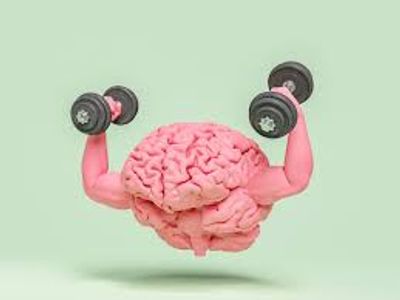
Lifting weights is highly beneficial for your brain. Contracting muscles under load releases specialized proteins called Myokines into the bloodstream. These proteins act directly on the brain to boost memory, regulate stress, lower inflammation, and delay cognitive decline.
Myokines are signaling proteins and peptides secreted by muscle fibers in response to muscular contractions. By functioning as the body's natural messengers, they allow skeletal muscle to communicate with remote organs like the brain, liver, and adipose tissue, driving the health benefits associated with physical activity.
Myokines have both an endocrine (distant cells) and paracrine (nearby cells) effect on the body and organs.
*Donna offers a weekly Yoga with Weights class (combining the benefits of yoga & weights)
VAGUS NERVE
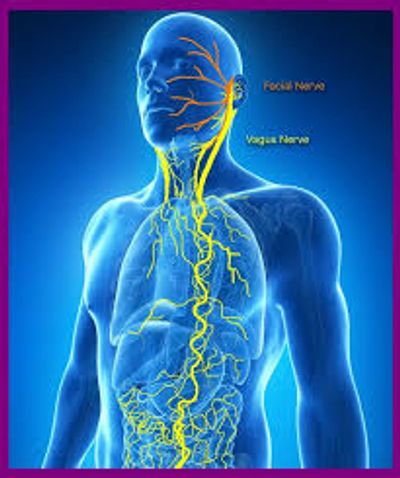
The vagus nerve is a pair of cranial nerves which are extremely long, extending from the brain stem all the way to the internal organs. It is the 10th cranial nerves, and literally activates the parasympathetic nervous system – the mechanism that controls involuntary actions and affects mood. Researchers refer to this nerve as the internal eye that connects mind & body.
The vagus nerve has fibers that innervate virtually all of our internal organs, moving from the brain stem to the heart, lungs, digestive tract, all the way to the colon, it basically listens to the way we breathe, and it sends the brain and heart whatever message our breath indicates.
The vagus nerve is essentially in charge of the parasympathetic nervous system (rest and digest), so the more we can do to stimulate or activate it- like deep breathing, the more we reduce the effects of the sympathetic nervous system (fight or flight).
We can help activate the vagus nerve and the parasympathetic response by practicing Mind/Body modalities such as- Yoga and Tai Chi, meditation, diaphragmatic breathing, chanting, gargling, and cold water immersion.
*Donna offers occasional workshops on the Vagus Nerve
finding calm
Training yourself to be calm is a skill you build over time by conditioning your nervous system. You can achieve this by practicing daily breath work, shifting how you react to your thoughts, and establishing physical habits that signal your brain that it is safe to relax.
Our first direct link to our nervous system is through the breath.
Diaphragmatic breathing (or belly breathing) is a deep breathing technique that engages your diaphragm rather than your chest muscles. By fully expanding your lungs, it maximizes oxygen intake, lowers your heart rate, and activates the vagus nerve to trigger your body's relaxation response. It rapidly lowers cortisol levels (the stress hormone) and can help manage anxiety and chronic tension.
Take slow breaths in through the nose, feeling the abdomen gently expand, exhale out the nose or mouth, feeling the abdomen gently contract. There is very little movement in the chest region as you breath.
*Donna teaches diaphragmatic breathing in every class, as well as offering relaxation and stress relief.